Muscle ReActivation
What if the muscle isn’t weak? What if it simply isn’t fully online?
Muscle ReActivation is a gentle, hands-on technique that identifies muscles that have gone “offline” and helps restore clearer communication between the brain and those muscles. When some muscles aren’t doing their share of the work, others can become overactive as they compensate. Muscle ReActivation helps rebalance these patterns, supporting greater strength, stability, balance, movement, and physical function.
Not sure where to begin? Start with a free, no-pressure consultation.
Ready for support? Schedule an in-person session.
Why muscles go offline
It’s not weakness. It’s protection.
Injury, surgery, overuse, and other stress can cause the nervous system to protect the body by taking certain muscles partially offline. Those muscles may still have the capacity for strength, but they are no longer being fully activated when the body needs them.
The body adapts. Other muscles may begin picking up the slack, sometimes working far harder than they were designed to while the underactive muscles remain underused.
Over time, this imbalance can show up as weakness, instability, tightness, poor balance, altered movement, recurring compensation patterns, or a feeling that part of the body simply is not working the way it should.
Muscle ReActivation helps restore clearer communication between the brain and muscles, bringing underactive muscles back online while helping overactive muscles return to a more balanced workload.
A personal story
From delayed walking to rising onto his toes
My son was born with bilateral clubfoot. Before we adopted him at 18 months, he had already undergone a small procedure to release his Achilles tendons. At 19 months, after joining our family, he began a series of full-leg casts, followed by months of wearing a brace.
He did not begin walking until a few months after his second birthday. Even then, his legs remained quite weak. By age five, after more than a year of physical therapy, he still could not rise onto his toes or jump.
Following about two hours of Muscle ReActivation work, he was suddenly able to lift himself roughly two inches onto his toes and began jumping.
The strength was not created in two hours. His body already had more potential than it had been able to access. Muscle ReActivation helped his nervous system reconnect with muscles that had not been fully participating.
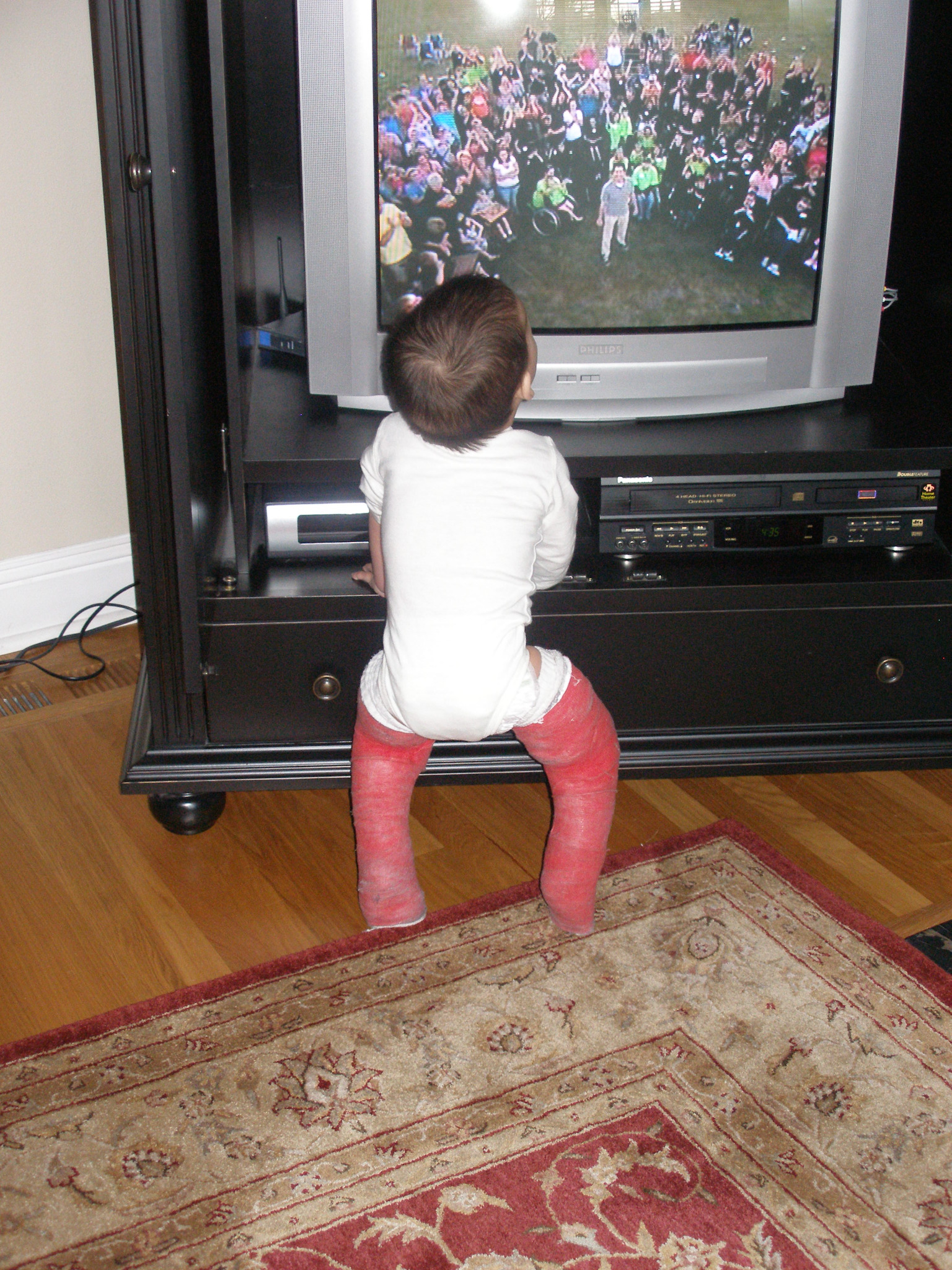
Full-leg casts at 19 months
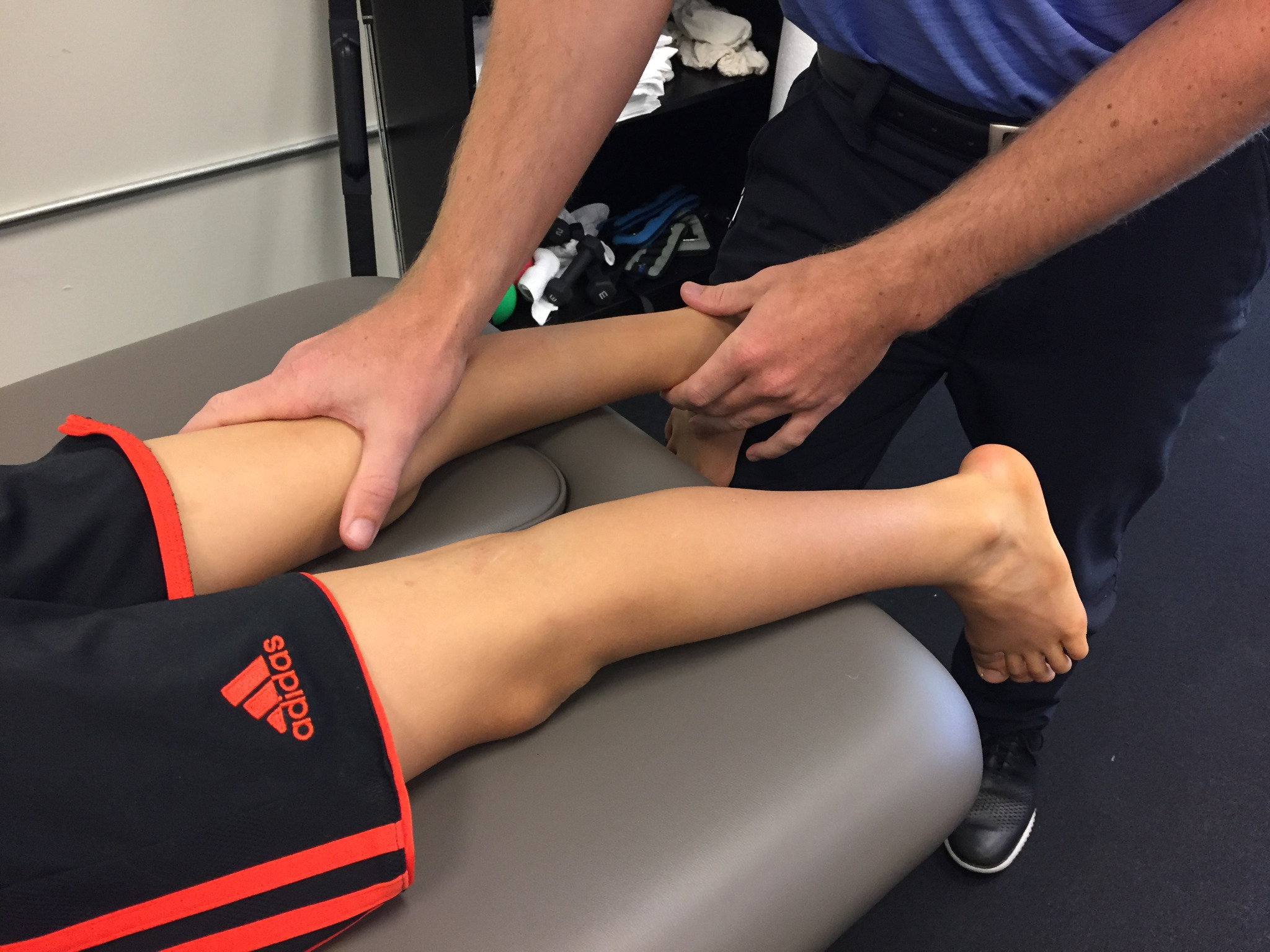
Physical therapy in early childhood
Who may benefit
If you’ve experienced an injury, been in an accident, had surgery, or noticed weakness or instability in your body, Muscle ReActivation may be able to help.
Muscle ReActivation is particularly helpful for people dealing with the following issues.
Muscle ReActivation can be used with muscles throughout the body, including the pelvic floor, core and lower back, head and neck, hips and thighs, knees, calves, ankles and feet, shoulders, arms, wrists, hands, thumbs, and fingers.
How Muscle ReActivation works
Test. Reactivate. Retest.
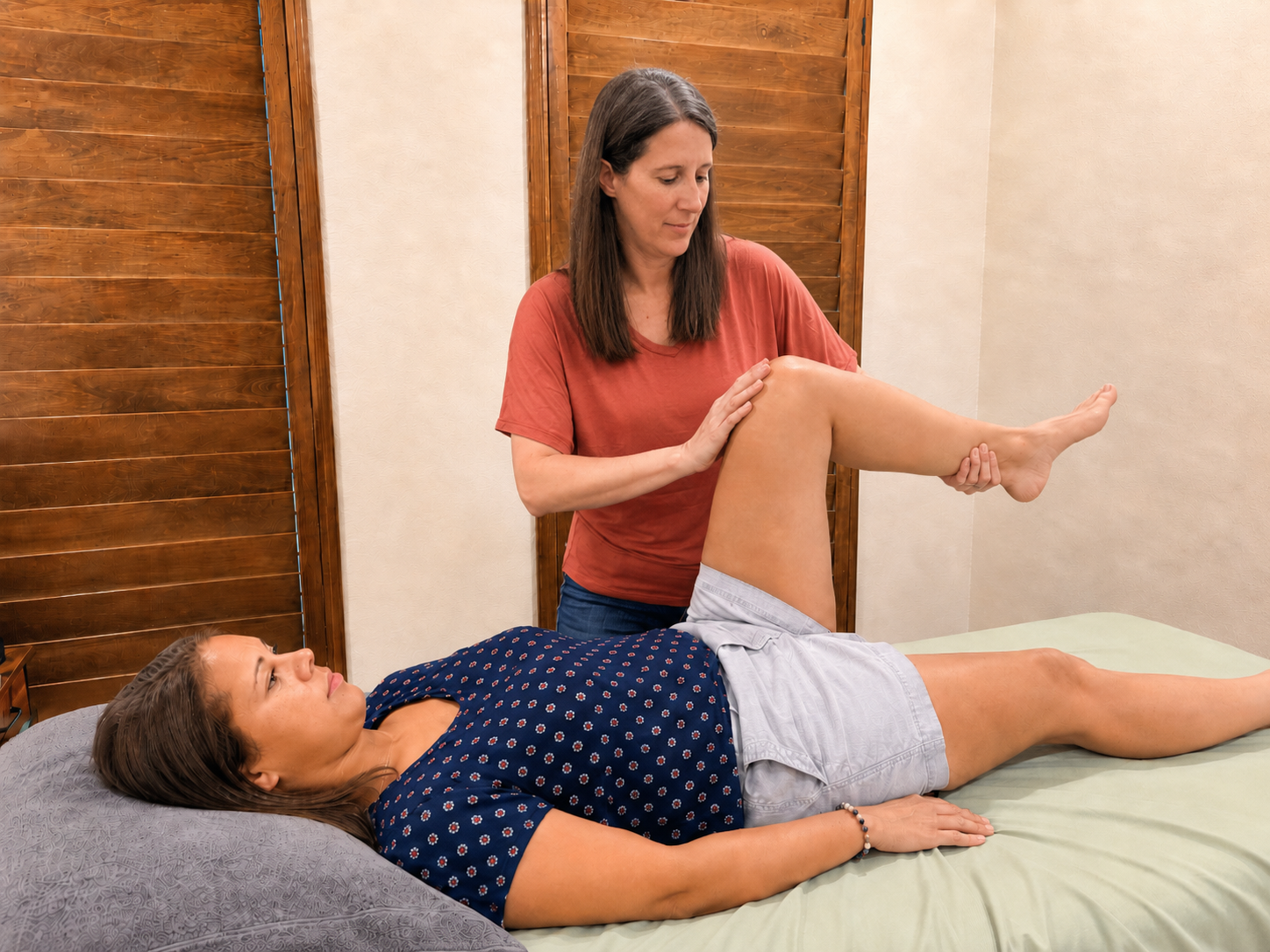
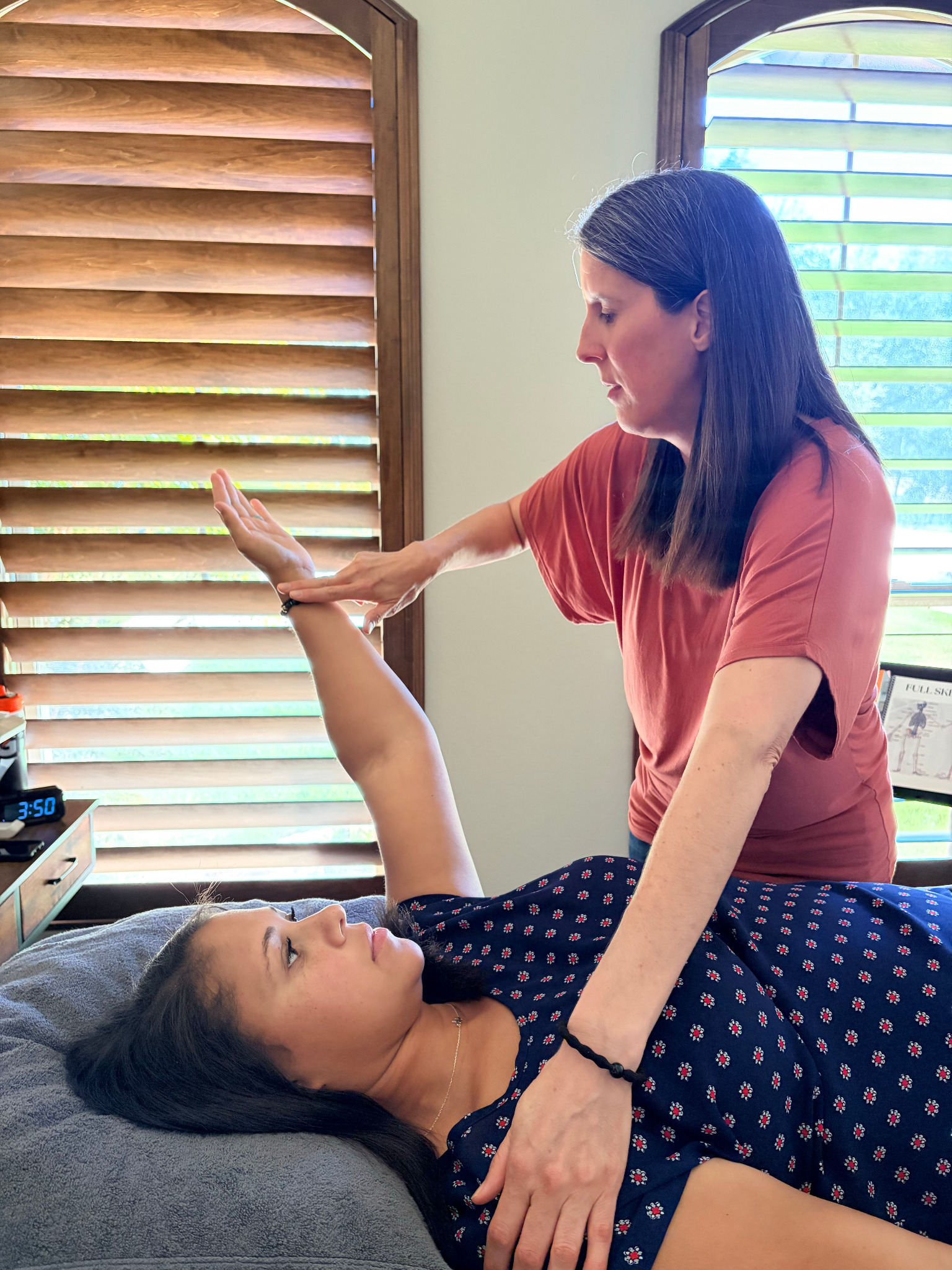
Muscle ReActivation allows us to see in real time whether a muscle is communicating effectively with the brain. I begin by placing the body in a specific position and applying gentle resistance to test how well the muscle is able to engage.
1
Test the muscle
I position the body to isolate a specific muscle and apply gentle resistance to see whether it can hold as expected. This helps identify muscles that are weak and not being fully activated by the brain.
2
Reactivate and rebalance
When a muscle tests “offline,” I use gentle neurological techniques to help restore clearer communication between the brain and that muscle. I also look for muscles that may be working harder than they should to compensate for “offline” muscles, with the goal of bringing the system back into better balance.
3
Retest the muscle
We repeat the same muscle test. The change can often be felt immediately as the muscle is better able to hold against resistance and the body feels more stable and supported.
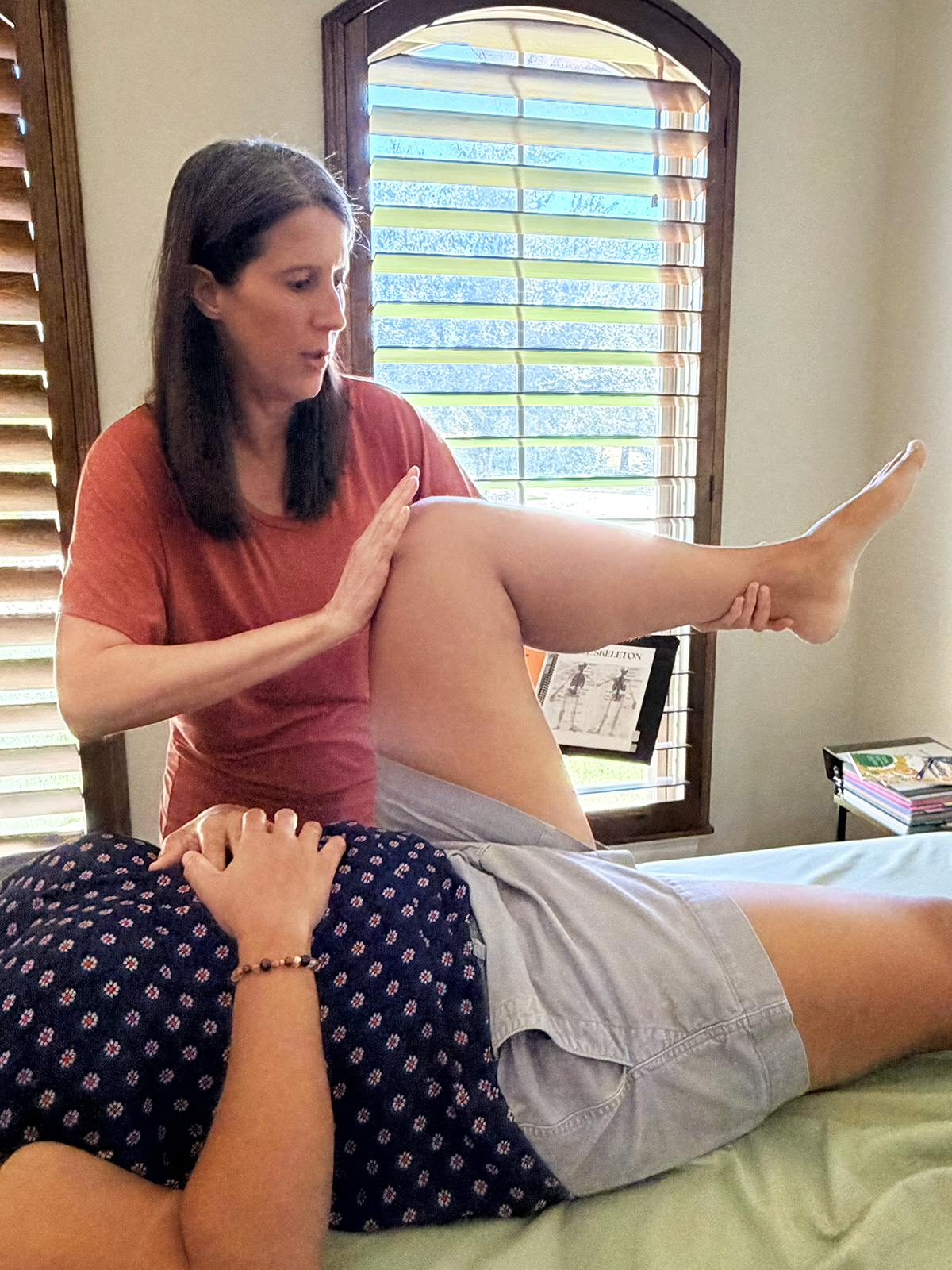

What changes after reactivation
When the right muscles come back online, movement can feel very different.
As muscle activation becomes more balanced, people may notice changes not only in strength, but in how stable, coordinated, and capable their body feels during everyday movement.
Greater Strength
Muscles that were not fully activating can begin contributing more effectively, making movements feel stronger and more supported.
Better Balance & Stability
Improved muscle activation can help the body feel steadier during standing, walking, changing direction, and other everyday movements.
Smoother, More Efficient Movement
When the right muscles are doing their share of the work, movement can feel more coordinated and require less compensation.
Less Overworking & Compensation
Muscles that have been working overtime to make up for “offline” muscles may no longer need to carry as much of the load.
Greater Confidence in Your Body
When your body feels stronger and more reliable, everyday activities, exercise, and physical challenges can feel less intimidating.
Improved Recovery & Performance
More balanced muscle function can support rehabilitation, return to activity, and athletic performance by helping the body use its muscles more effectively.
ReActivation in Action
Small shifts can create surprisingly visible changes.
Test • Reactivate • Retest
See how a muscle responds before and after reactivation.
Sit-up demonstration
Visible changes in abdominal activation after Muscle ReActivation work.
Frequently asked questions
Before you schedule
What happens during a Muscle ReActivation session?
Muscle ReActivation is an active, hands-on process. I begin by testing individual muscles to see whether they are communicating effectively with the brain and able to hold against gentle resistance.
When a muscle does not test as expected, I use gentle neurological techniques to help restore clearer communication between the brain and that muscle. I then retest the muscle so we can immediately see whether its function has changed.
Most of the work happens while the client is lying on a treatment table, although some testing may be done while sitting, standing, balancing, walking, or moving different parts of the body.
Does Muscle ReActivation hurt?
Muscle ReActivation is a gentle, non-invasive technique. The reactivation work itself uses gentle touch and neurological techniques rather than forceful manipulation.
Muscle testing does require positioning the body in different ways, and some positions may be difficult or uncomfortable for someone with an existing injury or physical limitation. Please tell me about any injuries, pain, or movement restrictions before and during the session so I can adapt the testing appropriately.
I never want the work itself to cause pain.
How is Muscle ReActivation different from strengthening a weak muscle?
Strengthening exercises ask a muscle to become stronger through repeated use.
Muscle ReActivation looks at a different question: Is the brain fully communicating with and activating that muscle in the first place?
When neurological communication to a muscle has been inhibited, repeatedly strengthening the area may not fully resolve the problem because the nervous system is still not using that muscle as effectively as it could.
Muscle ReActivation addresses this neurological piece and can work very well alongside physical therapy, chiropractic, sports training, rehabilitation, and medical care.
How much does a session cost?
Session and package pricing varies depending on the type and level of support you choose.
How quickly might I notice a change?
One of the unique aspects of Muscle ReActivation is that we can test a muscle before the work, reactivate it, and then immediately retest it.
Clients usually notice a clear difference during the session in how strongly a muscle holds, how stable a movement feels, or what they are physically able to do.
Other changes may become more apparent as you return to walking, exercising, sports, work, or everyday activities and notice that movement feels easier or more coordinated.
How many sessions will I need?
The number of sessions depends on how many muscles and movement patterns are involved. It is often possible to reactivate many muscles in a single session.
More complex or long-standing patterns involving multiple areas of the body may require additional sessions.
Is Muscle ReActivation only for athletes?
No. Athletes can benefit from improved muscle activation, balance, coordination, stability, and physical performance, but Muscle ReActivation is not just a sports technique.
It may also be helpful for children, teens, and adults dealing with weakness, difficulty balancing, limited mobility, compensation after injury or surgery, trouble performing everyday movements, or a sense that a particular part of the body simply is not functioning the way it should.
Balanced muscle function may also support injury prevention. When the muscles needed for stability and movement are working together more effectively, the body is better equipped to respond to everyday challenges such as changes in terrain, loss of balance, or unexpected movement.
What kinds of muscles can be addressed?
Muscle ReActivation can be used with muscles throughout the body, including the pelvic floor, core and lower back, head and neck, hips and thighs, knees, calves, ankles and feet, shoulders, arms, wrists, hands, thumbs, and fingers.
The specific muscles we address depend on your symptoms, movement patterns, history, and goals.
Can Muscle ReActivation help after an injury or surgery?
Muscle ReActivation can be particularly useful when muscles remain neurologically inhibited or compensatory movement patterns persist after an injury or surgery.
For example, the work may support muscle function following orthopedic injuries, abdominal surgery, joint procedures, or other situations in which normal muscle activation has been disrupted.
Muscle ReActivation does not repair torn ligaments, broken bones, dislocated joints, or other structural damage. Those conditions require appropriate medical care.
Can Muscle ReActivation be done virtually?
No. Muscle ReActivation requires hands-on muscle testing, positioning, reactivation, and retesting, so sessions are offered in person.
Will I need exercises or homework at home?
No additional exercises or homework are required for the neurological reactivation itself. The work to restore clearer brain-to-muscle communication takes place during the session.
If you are also working with a physical therapist, chiropractor, trainer, or other healthcare or movement professional, improved muscle activation may make it easier for your body to benefit from the exercises or rehabilitation work they have prescribed.
Does Muscle ReActivation replace physical therapy, chiropractic care, or medical treatment?
No. Muscle ReActivation is complementary work and does not replace appropriate medical evaluation, physical therapy, chiropractic care, rehabilitation, or other licensed healthcare.
Instead, it addresses a neurological component that may sometimes be overlooked: whether the brain is effectively communicating with the muscles involved.
Restoring that communication can complement the other work you are already doing.
Your next step can be simple
What if the muscle isn’t weak? What if it simply isn’t fully online?
Share what you have been experiencing, and we can explore whether Muscle ReActivation may be a helpful next step.